ANPR – Fast-Plate-OCR
Project information
- Category: MLOps
- Client: INSTAR Deutschland GmbH (Waletech) Shenzhen, China
- Project date: 01 Nov, 2025
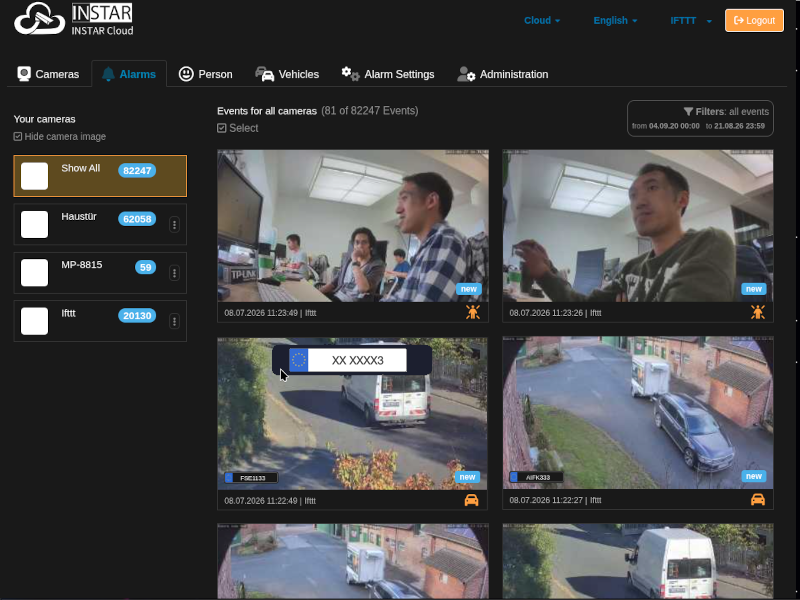
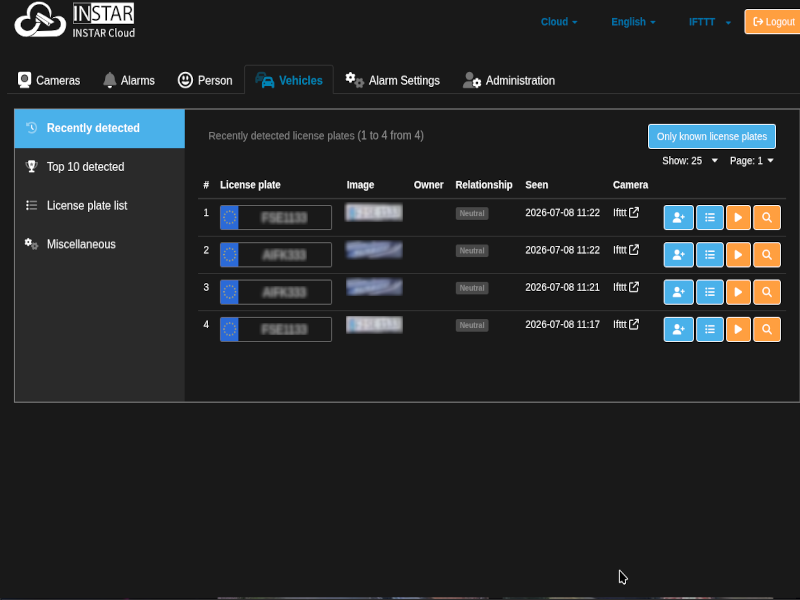
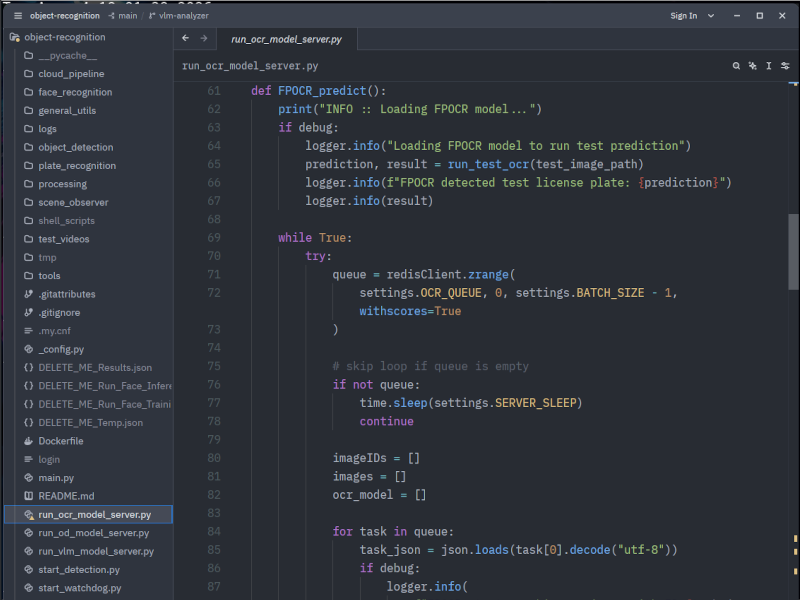
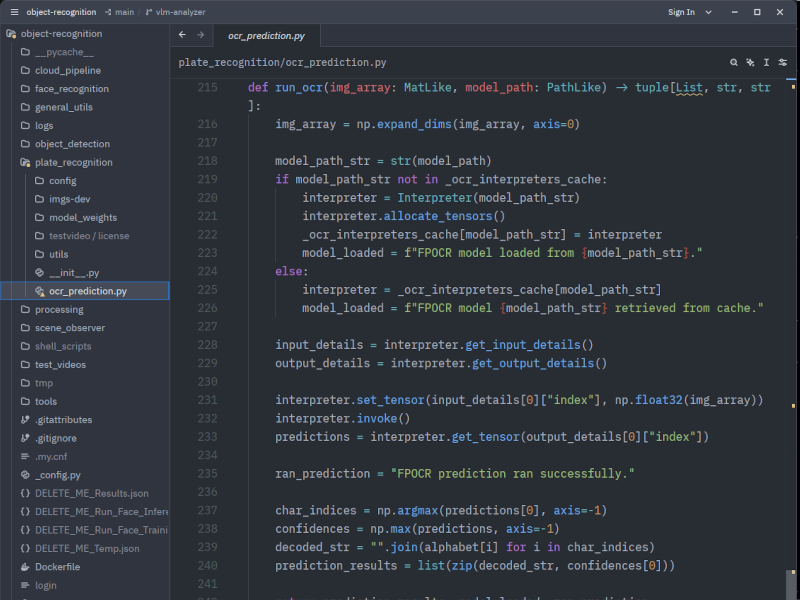
- Project URL: INSTAR Cloud
The problem: a legacy custom TensorFlow OCR model — slow and heavier than it needed to be — sitting on the read-plate path. What I did: Replaced it with a lightweight LiteRT (TFLite) build of Fast-Plate-OCR, positioned downstream of the YOLO detector so it only ever sees a clean cropped plate region — detection and OCR decoupled into separate services communicating through a Redis job queue. Four model variants (CCT-S / CCT-XS, in ReLU and standard activations) are selectable per alarm, and the worker pool claims batches with thread-safe locking so concurrent alarm events don't drop plates. In production the OCR path runs as a Nomad-managed service on a shared host volume mount that holds the variant weights and a `plates` / `plates-dev` buffer, so a new plate model ships as a canary-safe image rollout. End-to-end plate detection dropped to single-digit milliseconds on a CPU server, and the added compute footprint is negligible even at fleet scale — the load-balanced cloud data frontend routes each plate job to the least-loaded AI backend. The payoff: plate reads fast enough to be invisible, cheap enough to run everywhere.